
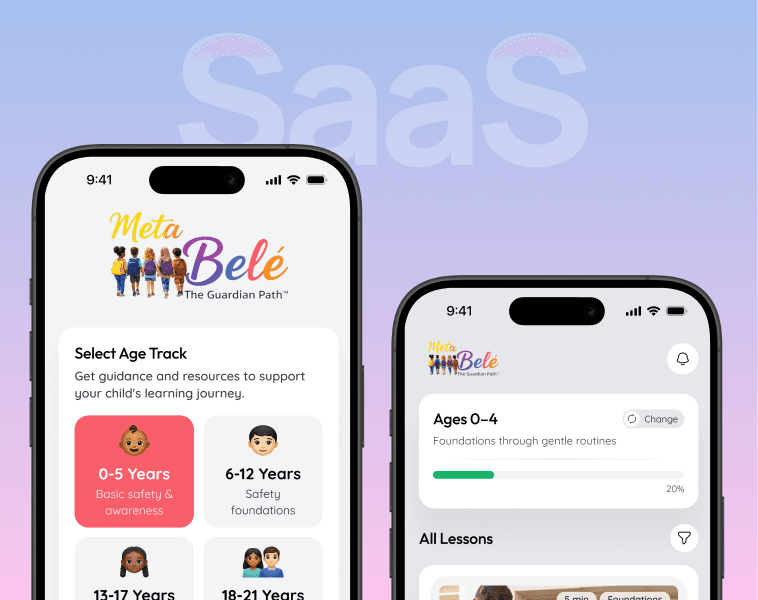
Designing Dashboards That Users Actually Understand.
Start With a Real User Problem
AI products should begin with a real user problem.
Full-Stack Delivery Team
AI products require collaboration between design, engineering, product, and AI specialists.
Make AI Outputs Easier
AI generated results should be easy to understand and use.
How Is AI Product Design Different From Traditional UX?
Design for Unpredictable Outputs
AI systems can produce different results depending on context.
Explain AI Decisions
Users should understand important AI recommendations.
Keep Human Control
Users should remain in control of important decisions.
Common AI Product Design Mistakes
Adding AI Without a Clear Purpose
AI should solve a meaningful problem.
Hiding AI Limitations
Users should understand where AI can make mistakes.
Removing Human Control
Users should always have appropriate control over important actions.
How to Evaluate an AI Product Experience
Measure Task Completion
Measure whether users can complete their intended tasks.
Measure User Confidence
Evaluate whether users understand and trust the AI appropriately.
Collect User Feedback
Use feedback to continuously improve the experience.
Final Thoughts
Build AI Around People
Successful AI products should support real human goals.
Keep Experiences Clear
Clear interfaces help users understand AI capabilities.
Improve Continuously
AI experiences should evolve based on real user behavior and feedback.